Finishing Consumables

Media & Compounds

Media and compounds for deburring, polishing, surface finishing and industrial parts cleaning processes.

Home Media & Compounds
Media & Compounds

Consumables for Finishing and Cleaning Processes

Media and compounds are important elements in deburring, polishing, surface finishing and industrial parts cleaning. Correct selection is necessary to achieve the required result in terms of finishing quality, process time and operating cost.

The suitable media and compound depend on the component material, geometry, application and required surface output. The complete process combination should therefore be selected according to the actual component requirement.

Media

Selection of Media

The shape, size and type of media should be selected according to the finishing application, component geometry and component material.

Media shape and size should also be selected carefully so that the possibility of media becoming lodged or clogged inside holes, slots, cavities and other component features is minimised.

Media types used in finishing processes include ceramic, plastic, glass, porcelain, steel and drying media.

Compounds

Selection of Compounds

Compound selection depends on the application and material composition of the component. Compounds are generally mixed with water at a controlled concentration during the process.

Different compounds are used for degreasing, descaling, deburring and polishing applications. Rust removing compounds and rust inhibitors can also be selected where required.

Depending on the process requirement, compounds may be neutral, alkaline or acidic in nature.

Media Range

Finishing Media

Ceramic Media

Ceramic Media

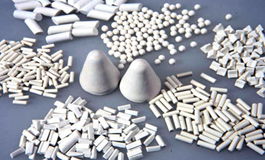
Ceramic media is hard and abrasive. It is used for deburring, descaling, edge radiusing, smoothing and polishing applications where stronger cutting action is required.
Plastic Media

Plastic Media

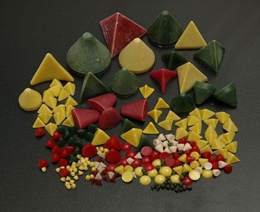
Plastic media has lower density than ceramic media and is suitable for finishing non-ferrous components and castings. It is useful for softer materials such as aluminium, zinc, brass and copper alloys where reduced risk of denting is important.
Glass Media

Glass Media

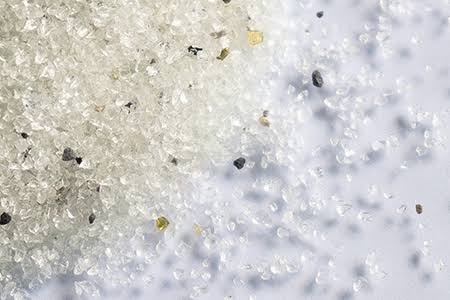
Glass beads are used as rolling media for selected high-gloss finishing applications. They are suitable for lighter components and applications where smooth finishing with relatively low media wear is required.
Porcelain Media

Porcelain Media

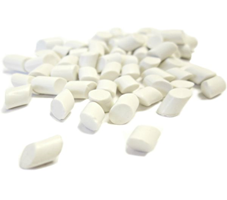
Porcelain media is used for fine polishing and high-lustre finishing. It provides limited cutting action and is suitable where a smooth, bright or mirror-like surface is required.
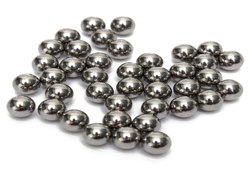
Steel Media

Steel Media

Steel media is used mainly for burnishing and bright finishing. It helps produce a lustrous and reflective surface where polishing action is required instead of aggressive material removal.
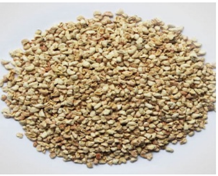
Drying Media

Drying Media

Corn cob media is used for drying components after wet finishing or rinsing processes. It absorbs surface moisture and can also support light polishing of suitable ferrous and non-ferrous components.

Finishing Process

Compounds for Finishing

Compounds are an important part of the deburring and finishing process. They support the finishing action and help remove contamination such as oil, dirt and scale from components and media.

Compounds also help maintain effective contact between the parts and media during processing. This allows the media to continue working efficiently throughout the finishing cycle.

Compounds can be added manually or through an automatic dosing arrangement. Controlled and consistent concentration is important for achieving repeatable finishing results.

Water-based rust preventive compounds can also be used where short-term corrosion protection is required after wet finishing or cleaning.

Industrial Parts Cleaning

Compounds for Cleaning

Aqueous cleaning compounds are used in industrial parts cleaning processes including spray cleaning, ultrasonic cleaning and immersion cleaning.

Selection of Cleaning Compounds

  • Cleaning process
  • Process time
  • Temperature
  • Pressure
  • Part size
  • Component geometry
  • Required cleanliness level
  • Ferrous or non-ferrous material
  • Nature of contamination
  • Applicable safety requirements

Cleaning Compound Applications

The suitable cleaning chemistry should be selected according to the component material, contamination and cleaning method.

  • Degreasing
  • Cleaning
  • Descaling
  • Brightening
  • Rust removal